-
 The book presents 50 of the most recognizable and geologically interesting sites around South Africa, including some of palaeontological or historical renown and some of mining interest. The diverse selection includes sites such as Chapman’s Peak, Howick Falls, Walter Sisulu National Botanical Gardens, Mapungubwe, Tswaing Meteorite Crater and the Fraserburg Fossil Surface.
 -
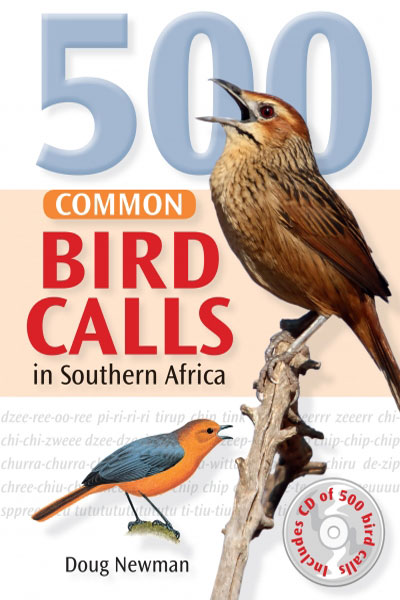 Identify bird calls with this handy guide and CD, which together feature 500 distinctive southern African species. The CD gives the best-known song or call of each species; the book provides clear and accessible text, with a brief account for each species, including a description of the song, associated behaviour, similar-sounding species, the bird’s favoured habitat type, and a distribution map
 -
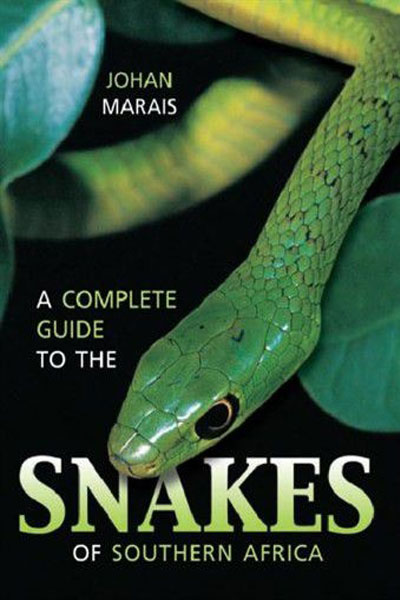 This detailed and comprehensive guide to the 151 snakes indigenous to southern Africa covers all essential aspects of snake biology and behaviour. Now in its second edition, A Complete Guide to the Snakes of Southern Africa has been updated, revised, and expanded to include at least 11 newly discovered and 30 re-classified species and sub-species. New information based on international scientific research has been included in the species accounts relating to behaviour, identification, reproduction, and snake venom.
 -
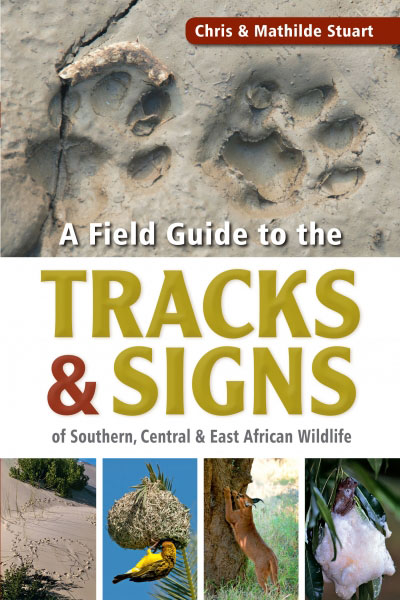 Originally published in 1994, A Field Guide to Tracks and Signs of Southern and East African Wildlife quickly became the standard reference to the subject in the region, reprinting many times. This new edition provides the most detailed coverage of tracks, droppings, bird pellets, nests and shelters and feeding signs, not only for mammals, but also for birds, reptiles, insects, and other invertebrates. Greatly expanded, this extensive update now features full colour throughout.
 -
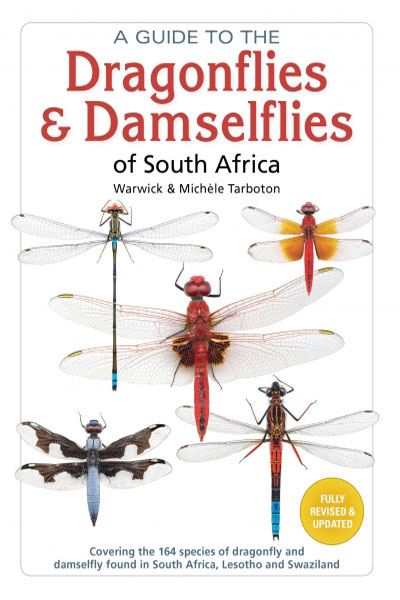 In this fully revised edition of A Guide to the Dragonflies & Damselflies of South Africa, all 164 species known to occur in South Africa, Lesotho and Swaziland are described and illustrated, grouped according to family (six dragonfly and six damselfly families). The species entries feature scans of live insects (close-up and side-view images) and photographs of specimens in their natural environment and showing key behaviours.
 -
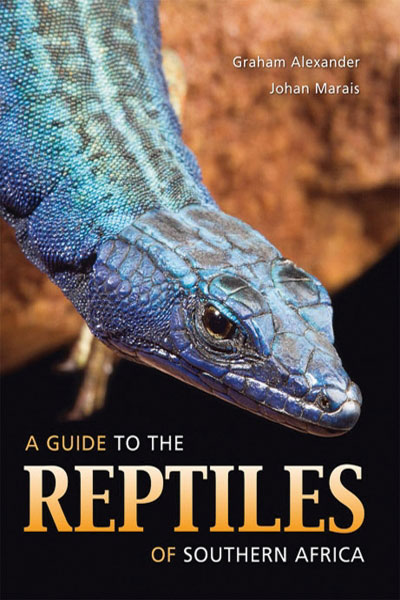 Drawing on the latest scientific research, the authors introduce the book with a discussion of reptile identification, diversity, biology, distribution patterns, and where to find and observe them, as well as unravelling the facts and fallacies of snakebites. Written in a lively and accessible way, the subsequent chapters offer insight into: Identification to group level, with an inclusive list of related species A detailed description of appearance, together with colourful images Biology and behaviour of each group
 -
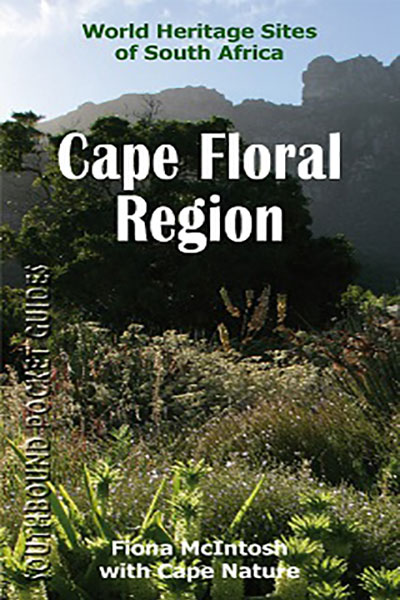 Let Southbound take you to the astonishing floral riches of the Cape - what Carl Linnaeus described as “this Heaven on Earth” - a vast area of mountainous shrubland, dominated by fynbos, and rich in faunal, floral and cultural diversity. The Cape Floral Kingdom is one of the oldest plant kingdoms in the world with some species dating back 60 million years The smallest and richest of the world’s six Floral Kingdoms with a staggering 9,600 flora species, 70% of which occur nowhere else on Earth.
 -
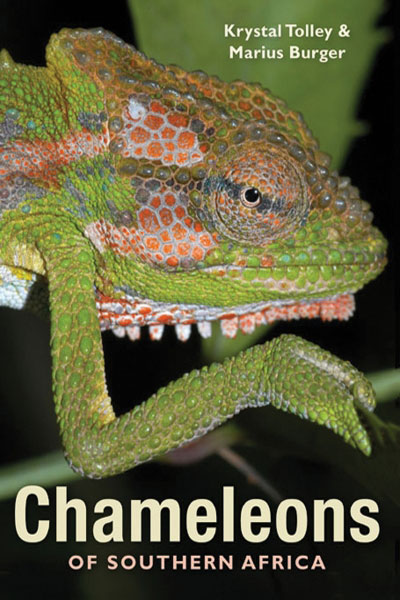 Chameleons are fascinating creatures: they almost always evoke in people a strong response, be it delight, wonder, or fear. Chameleons of Southern Africa explores this interesting group of lizards and discusses their strange and unusual, sometimes unnerving, characteristics. It presents an overview of all types of chameleons (of which there are up to 160 species in total, worldwide), their history, geographic distribution (restricted mainly to Madagascar and Africa), reproduction, behaviour and their relationships to each other.
 -
-
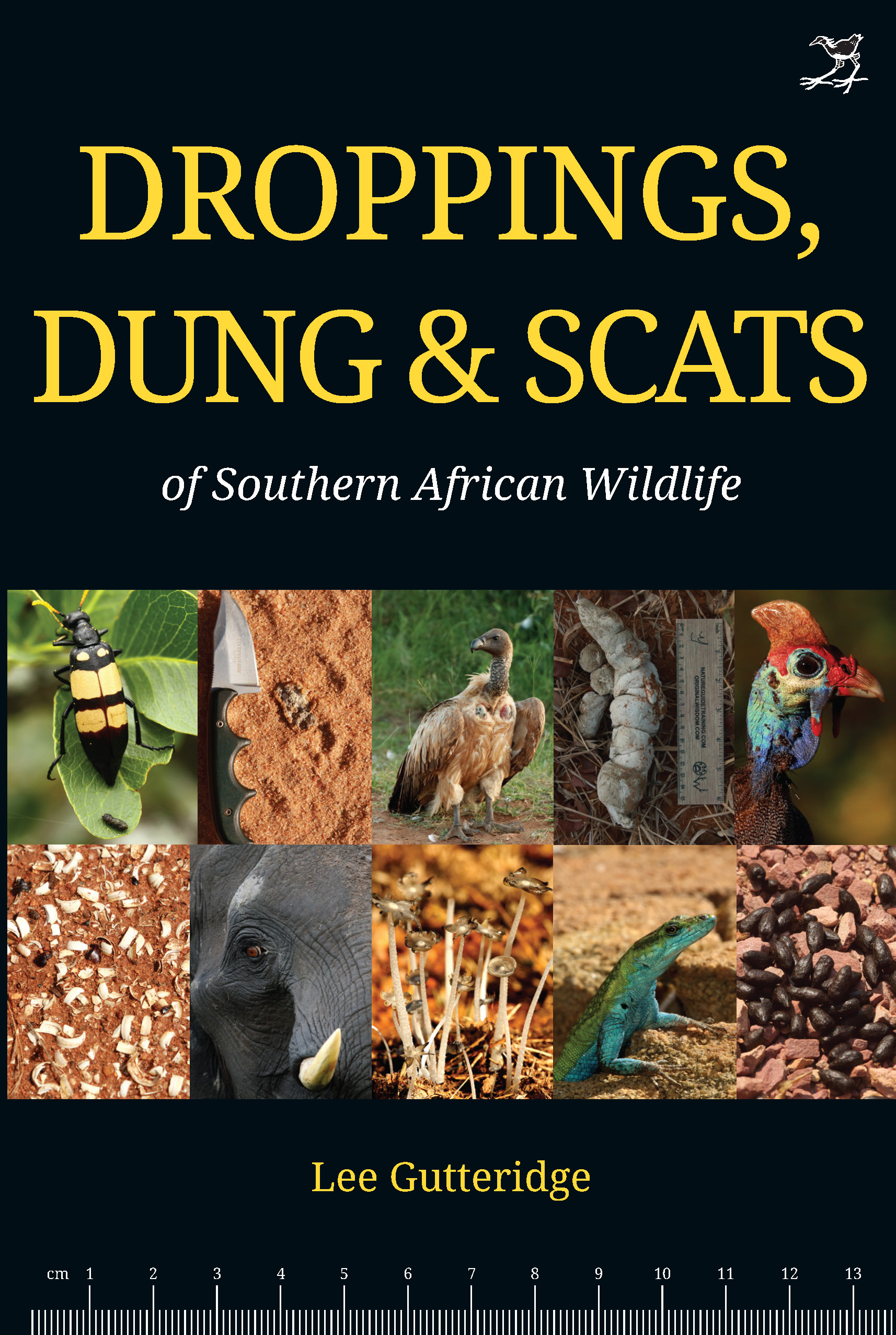
-
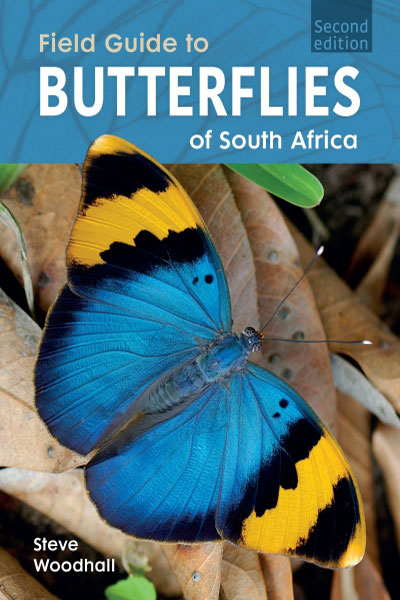 Field Guide to Butterflies of South Africa is designed for easy, rapid identification of all butterflies likely to be seen in South Africa. Following a worldwide trend to butterfly watching, readers are encouraged to observe behaviour rather than collect specimens. A detailed introductory section discusses butterfly biology, behaviour and anatomy, and butterfly families and subfamilies.
 -
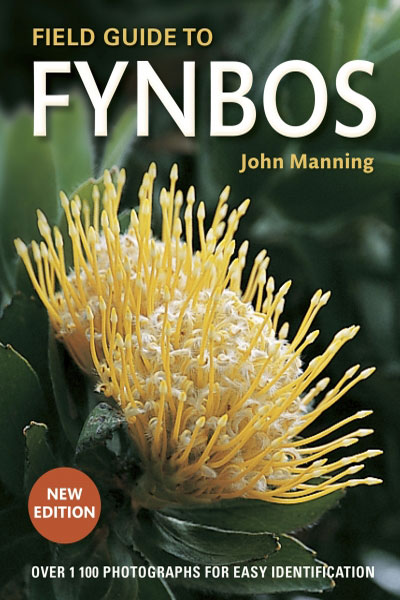 Field Guide to Fynbos features over 1,000 species from the Cape Floristic Region – home to one of the world’s richest floras. This fully updated edition focuses on the most common and ‘showy’ plants. An introduction unpacks the world of fynbos – including origins, diversity, climate, and adaptations and is followed by a photographic key and descriptions of the fynbos families. Species descriptions are accompanied by photographs, distribution maps, comparisons with similar species, and notes on traditional uses.