-
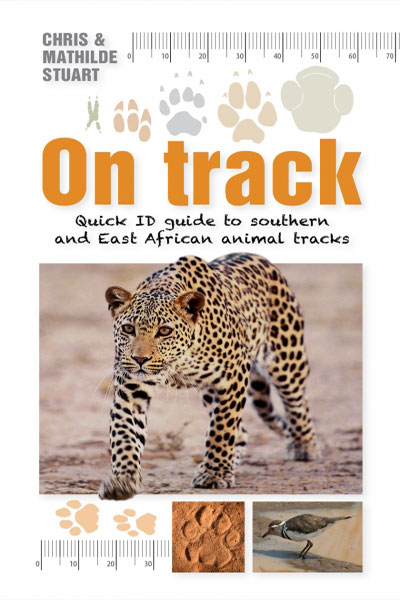 Following the success of the earlier Scatalog – Quick ID guide to southern African animal droppings, here’s another quick and quirky identification guide, this time to tracks of the region’s most commonly found mammals, but also includes tracks of reptiles, rodents, birds and insects. A simple key on the inside front cover directs users to any of 11 categories, such as ‘cloven hooves’, ‘paws’ or 'tramline-like trails. Nearly 100 animals or closely related groups of animals are depicted: for each, there’s a silhouette of front and back feet and a colour photograph of the track the average measurements for each track a short description of the track information about the circumstances and likely habitat Concise and to-the-point, this pocket-sized reference
 -
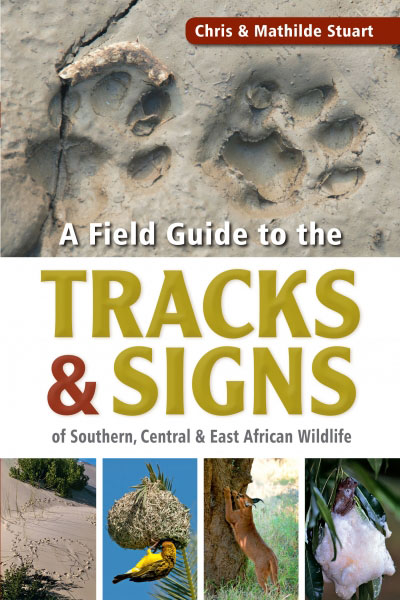 Originally published in 1994, A Field Guide to Tracks and Signs of Southern and East African Wildlife quickly became the standard reference to the subject in the region, reprinting many times. This new edition provides the most detailed coverage of tracks, droppings, bird pellets, nests and shelters and feeding signs, not only for mammals, but also for birds, reptiles, insects, and other invertebrates. Greatly expanded, this extensive update now features full colour throughout.
 -
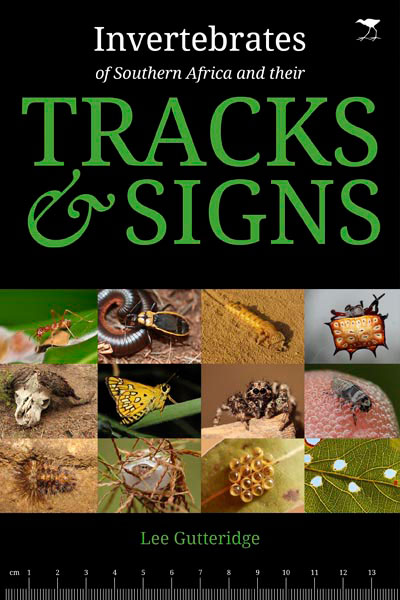 This book intensively covers a never-before-explored aspect of Southern African nature and is an essential new addition to the library of every nature lover. It was researched and written over the last four and a half years to open a door to a little-known micro-world that exists all around us. Invertebrates – which include commonly seen creatures such as butterflies, spiders, beetles, worms, and scorpions – are everywhere. The signs of their day-to-day activities are all around us if we know where to look. The life cycles and behaviours of many animals are discussed, with a special focus on interactions between mammals and invertebrates – a fascinating subject.
 -
 This practical guide to animal tracking is a one-of-its-kind manual, based on information developed with the help of southern Africa’s few remaining traditional trackers and their centuries-old wisdom in the field. It presents the more concrete and obvious wildlife signs for some 160 animals and teams them with a host of seemingly unrelated details to give a comprehensive picture of recent – and not-so-recent – traffic through the bush.
 -
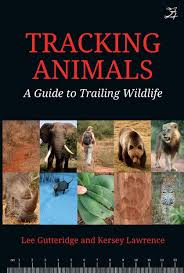 This book starts with basic “how to” information and grows in complexity, moving into a series of more technical skills and information, including detailed descriptions of methods used to handle different circumstances a wildlife tracker will encounter. It also includes a few simple exercises that you can do to become a better tracker, whether you are only interested in identifying the tracks and signs in your backyard, or in developing the full suite of skills that trackers use. With its engaging and informative content, Tracking Animals is valuable for both beginners and experienced trackers, and to naturalists, hikers, guides, hunters, scientists and educators.